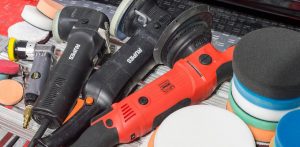
Makita 9227C
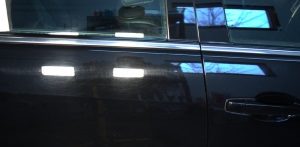
DJ Mayo Studios – 350Z Paint Correction
by DJ Mayo | 7/20/11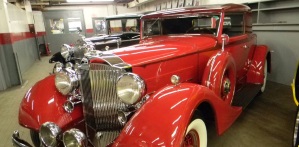
A Tale of Two Packards
by Contributing Authors | 6/11/11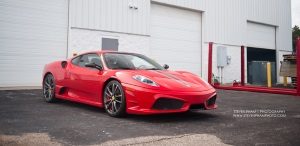
Italian Excellence: Ferrari 430 Scuderia Paint Correction and Detailing by AutoLavish
by Marc Harris & Jacob Bunyan | 6/8/11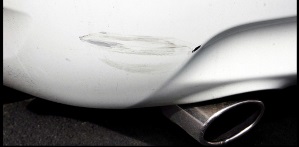
Simple Bumper Repair – Lease Return
by Contributing Authors | 5/8/11
Assessing paint condition and deciding on a correction process
by Chad Raskovich | 4/21/11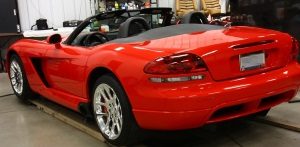
Hybrid Polishing Process featuring a 2004 Dodge Viper
by Todd Cooperider | 4/17/11
Paint Correction: 2002 Audi S8
by Contributing Authors | 4/14/11
Ferrari 458 Nero Daytona Full Detail
by Contributing Authors | 3/3/11
Polishing with the 4″ Spot Pad for Better Results!
by Todd Cooperider | 1/9/11
1-step, 2-step…The Various Types of Polishing Processes
by Todd Cooperider | 1/4/11
36-Hour Paint Correction Detail: Rolls Royce Phantom
by Todd Cooperider | 12/11/10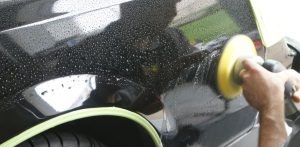
Ask-A-Pro: Orange Peel Part Two of Two – How to Rid Your Paint of it.
by Marc Harris & Jacob Bunyan | 11/2/10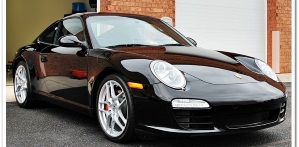
Paint Correction Detail: 2009 Porsche Carrera S
by DJ Mayo | 10/15/10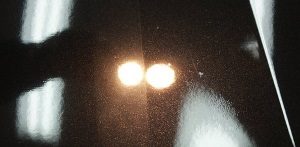
Ask-A-Pro: VW / Audi Paint Hardness
by Marc Harris & Jacob Bunyan | 9/20/10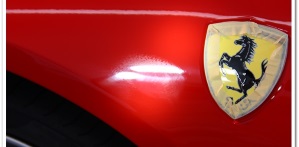
Ferrari 458 Italia Paint Correction v2.0 by Todd Cooperider
by Todd Cooperider | 9/11/10
Ask-A-Pro: How do you avoid creating holograms when applying your finishing polish with a rotary?
by DJ Mayo | 8/30/10
Removing etched-in water spots and holograms from a 2010 BMW 528i by Rasky
by Chad Raskovich | 8/13/10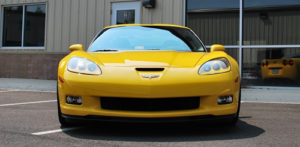
2008 Z06 Vette in Velocity Yellow Tintcoat by DJ Mayo of Reflections Detailing
by DJ Mayo | 8/8/10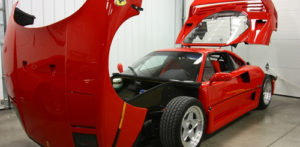
Ferrari F40: 60 Hour Restorative Detail by Todd Cooperider and Craig Reed
by Todd Cooperider | 8/1/10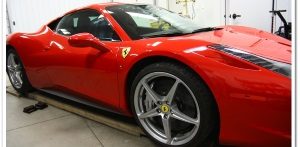
Full Detail and Paint Correction: Ferrari 458 Italia by Todd Cooperider of Esoteric Auto Detail
by Todd Cooperider | 6/26/10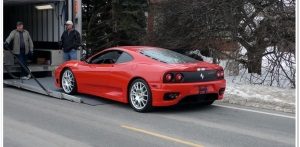
Full Detail: Ferrari Challenge Stradale in Rosso Scuderia
by Todd Cooperider | 4/22/10
Tutorial: How to Prep a Car for Polishing
by Todd Cooperider | 4/18/10