
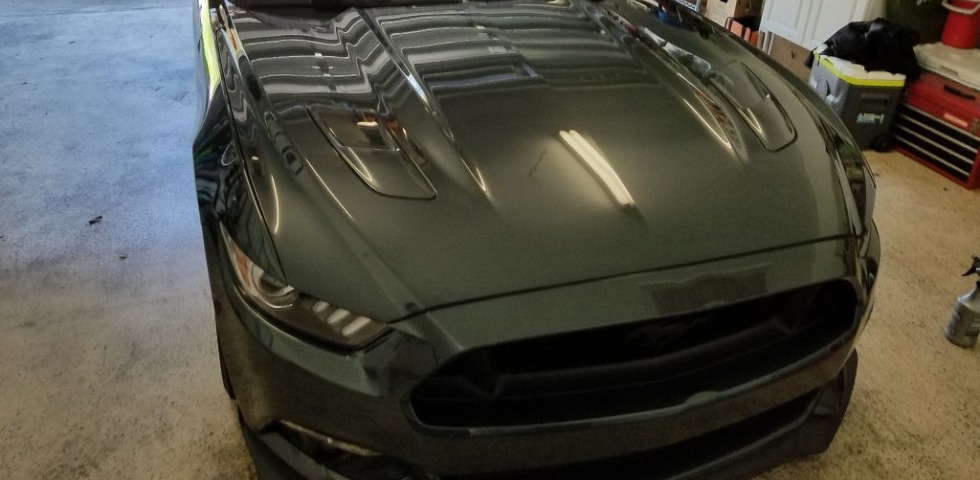
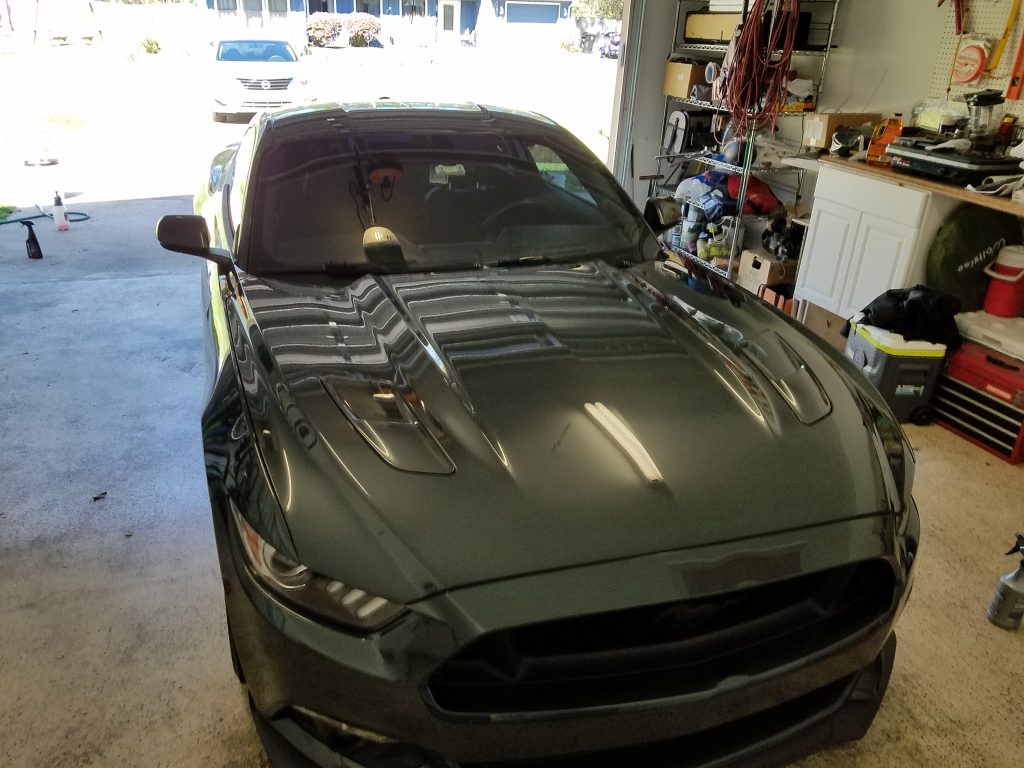

This was an auto detailing I performed on this 2015 Mustang MANY years ago. It is a memorable experience due to the fact this client was a first in two categories. He wanted paint correction and also, he saw swirls. Ironically many people I knew at the time would say his car ‘does not look that bad.’ What stood out about this detail was the new client’s desire to find a really good detailer for his car. He mentioned that he has had other details but, “something was missing.”
It was my television appearance that got his attention. He was nervous, as he was aware I was a somewhat new detailer at the time. He was not accustomed to paint correction or what the average person would consider high-end detailing. His car was one of the more cared for vehicles I had seen. His behavior was not consistent with people who put swirls and scratches in their car. A like-minded client.
Pollen
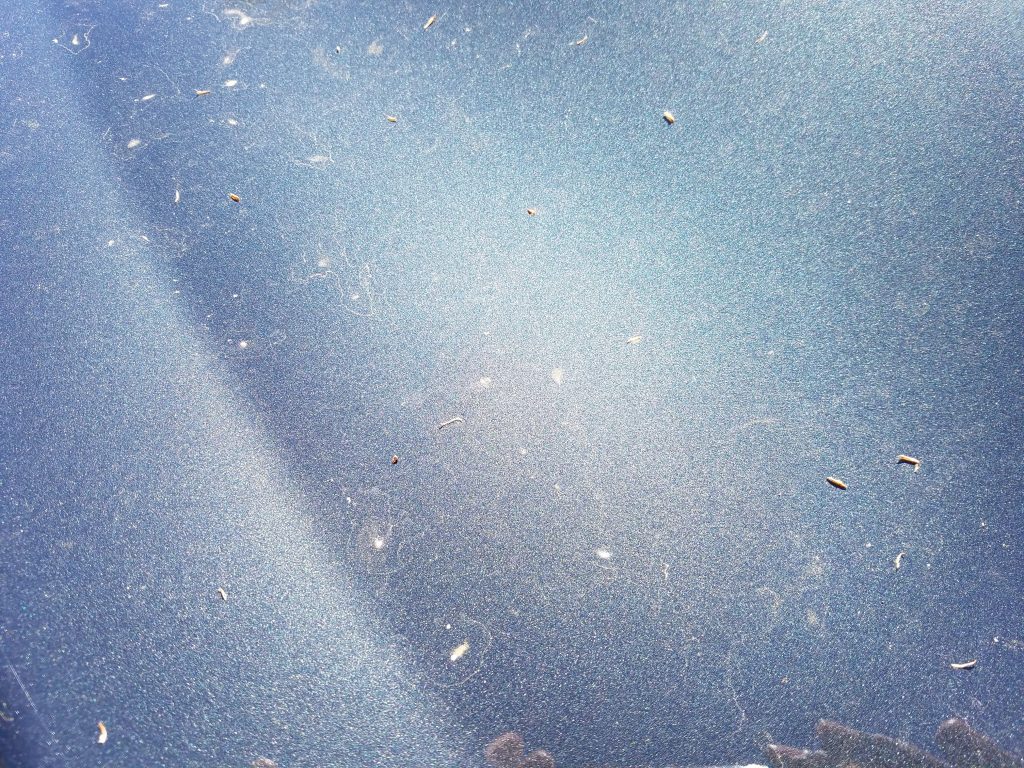
Pollen can be a problem for two reasons. First, people’s efforts to remove pollen often cause significant damage to their paint. If you look at pollen on a molecular level, it has a structure comparable to sandpaper. It feels harsh to the touch. Causally removing it is going to scratch up your car. You need to treat pollen on your car the same way you would treat a moderately dirty car, assuming you care about swirls and scratches. The second issue is pollen is on the acidic side. This acidity becomes activated more with water (i.e. rain or rinsing a car off). Waxes, and to some extent sealants, degrade more quickly. Granted a storm does help clear up the pollen issue temporarily. Often the pollen is not fully removed, and new pollen may settle on a wet surface. What is worse is when people try to rinse off their car versus washing. Not only can water spotting be a problem, so can the acidity of pollen.
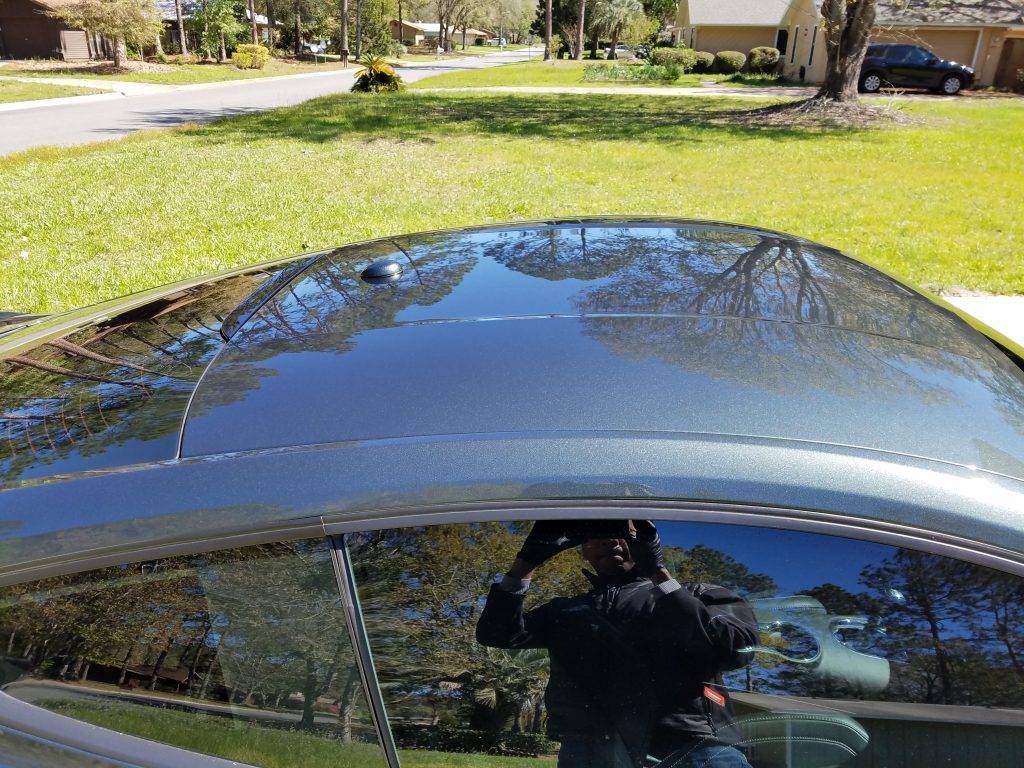
Most of the polishing was performed with a Rupes Yellow Pad(s) and Jescar Finishing Polish on the Rupes Duetto. The smaller more intricate areas I used the Porter Cable 7424XP (3-inch backing plate option) with a White Lake Country Polishing pad(s), with the same polish.
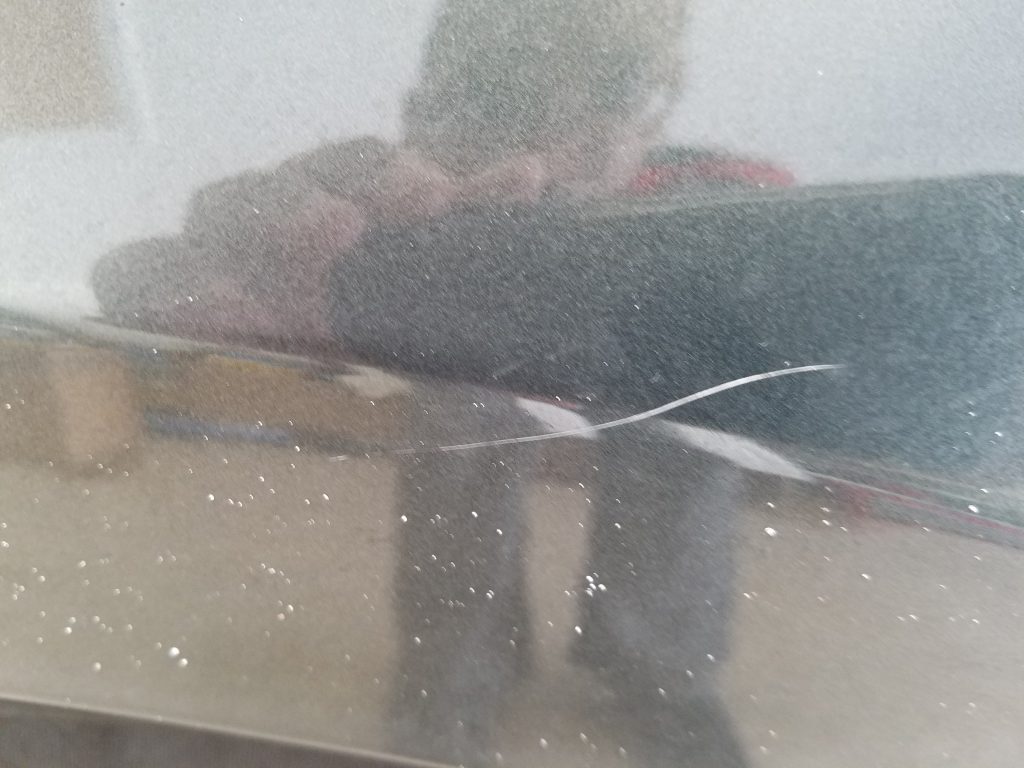
The spot correction involved two sessions with Jescar Correcting Compound with an Orange Lake Country Pad followed by Jescar Finishing Polish with Lake Country White Polishing pad.
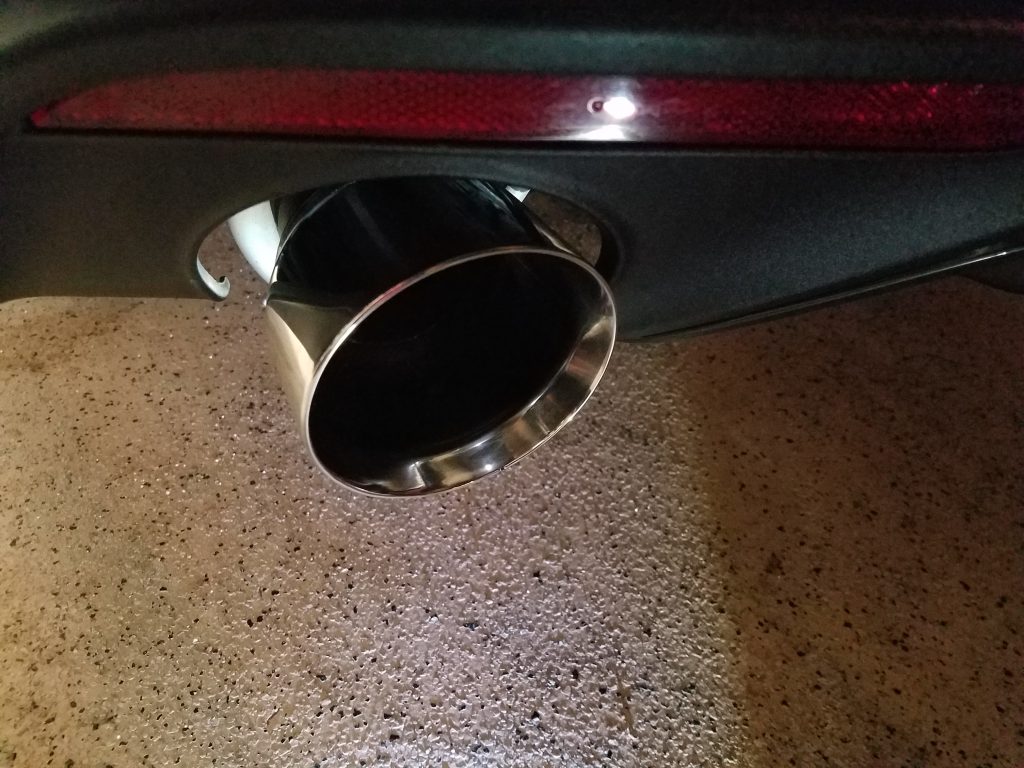
Exhaust Tips
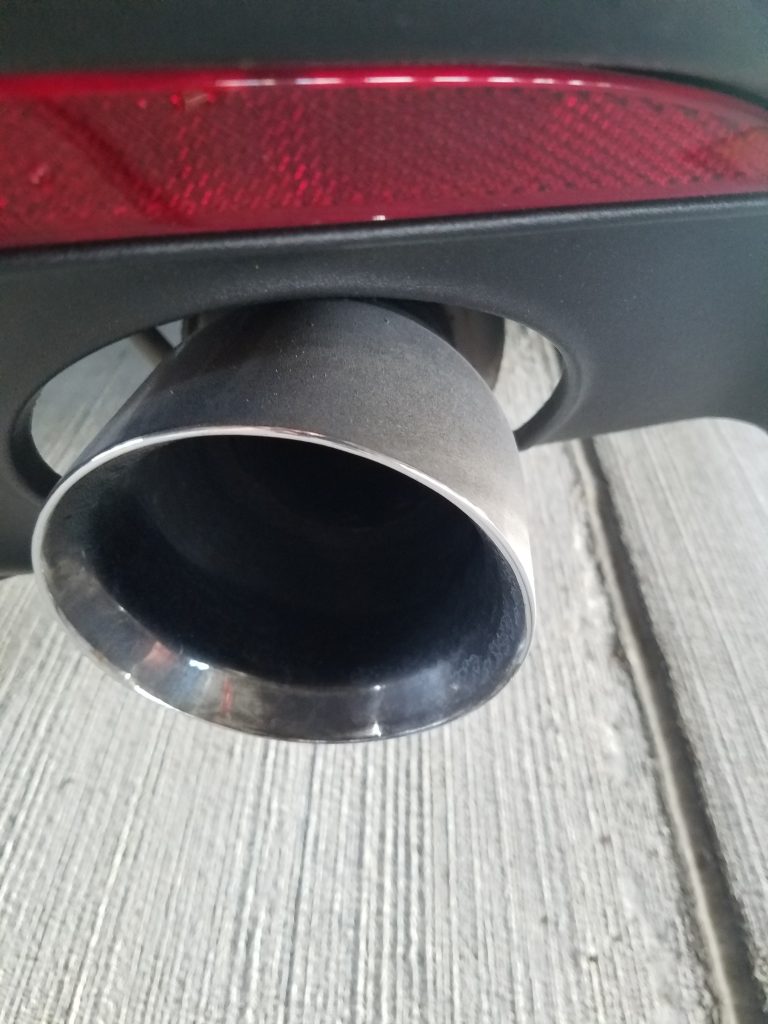

Optimum Metal Polish was used with a thin disposable microfiber towel.
Ultimately, I would do several more details in the future for him. Video below is the second detail performed on this car.
