Auto Detailing Guide - Clay Bar
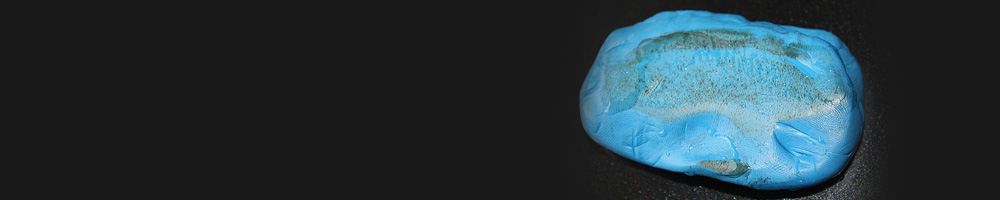
What Does a Clay Bar Do? (Return to Top)
Using a clay bar will remove embedded surface contamination that still remains after a maintenance wash. Sometimes the contamination removed is not always visible on the paint to the naked eye. After using a clay bar on your paint you will be left with a surface that is as smooth as glass and properly prepped. It is now ready for polish or for you to apply layers of protection. Not only can you clay your vehicles paint, but glass, wheels, lights and more. A common misconception about using a clay bar is that it has an impact on removing swirls and scratches, it does not.
How Often Should You Clay Bar? (Return to Top)
We recommend using a clay bar roughly twice a year, or before details where you plan on polishing the paint. If your car is subject to industrial fallout or heavily contaminated areas, using a clay bar more often may be required.
Clay Bar Prep (Return to Top)
Before using a clay bar, your car should be washed and dried to remove a majority of contamination on your vehicle. The more contaminated the paint is the more likely imperfections can be added during the clay bar process.
Choosing a Clay Lubricant (Return to Top)
There are two common types of clay lube, quick detailers and a combination of water and shampoo solution. The clay bar lubricant provides a slick surface for you to glide your clay over. If you use the clay on paint without clay lube, you'll notice that the clay won't slide across your paint and you can easily add marring and leave behind pieces of clay on your paint which can be a pain to remove.
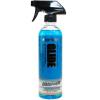
Many detailers use a quick detailer as their clay lube. We recommend using one that has some cleaning power and little or no protective properties. This helps loosen the embedded contamination from the paint and yields great results. Poorboy's Spray & Wipe is a good clay lube because it's a great cleaner and creates a slick surface to work on.
Another popular option is to use a mixture of Optimum No Rinse and water. It has cleaning agents that help lift contamination from the surface, provides a slippery surface to glide your clay over and cleans up nicely. Simply add 2 ounces of ONR to a gallon of water and you have yourself a great clay bar lubricant.
How To Clay Bar (Return to Top)
- Step 1: Wash and dry your vehicle
- Step 2: Break off a small piece of clay that you will be working with and shape it into a flat surface
- Step 3: Working in small 18" x 18" sections, mist the clay bar lubricant over your working area, so that every square inch is covered in clay lube
- Step 4: Gently glide the clay bar over your working area using overlapping passes going left to right or up and down. Note: You do not want to rely on a lot of downward force to clean the paint. You should allow the clay to absorb the contamination. Stubborn contamination can require a good amount of time, clay lube and passes to remove.
- Step 5: Continue working on an area until all contamination is removed. You can tell this has happened because the clay will slide effortlessly across the paint and you will not hear any contamination being picked up by the clay.
- Step 6: Wipe off the excess clay lube with a microfiber towel
- Step 7: Continue steps 3 - 6 until the entire car has been properly clayed
Note: Reshape your piece of clay after each section so that there is a clean fresh surface exposed. If you cannot reveal a fresh surface, break off a new piece of clay. To increase the life of your clay bar, spray the bar with a clay lube and store it in a clay bar storage container.
Product Recommendations
Decontamination Pads and Towels (Return to Top)
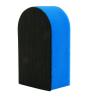
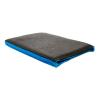
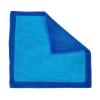
Decontamination pads and towels utilize a urethane rubber face to help clean the exterior paint, glass, etc. making it easier and quicker than a traditional clay bar. These pads and towels can be washed and reused, even if dropped on the floor, whereas a clay bar should be trashed after it picks up some heavy contamination or is dropped on a dirty garage floor. In some instances, an aggressive clay bar may be necessary either before or after the decontamination pad or towel is used, but most of the time these will eliminate the need for a clay bar.
- Step 1: After thoroughly washing the car, prepare for the decontamination process by drying the vehicle and working in the shade.
- Step 2: If necessary, use a clay bar to remove really stubborn contamination such as tree sap and tar. Clay bar may work better for this and will prolong the life of your decon pads or towels.
- Step 3: Once the car is prepped, simply work section by section or panel by panel, spraying the lube liberally and lightly wiping with the pad or towel back and forth removing contaminants. If the pad skips or feels dry use more lube.
- Step 4: When you are done with each section wipe away excess lube with a clean microfiber towel. Fold the towel in fourths and expose a fresh surface each section. Usually this involves several towels to cover an entire vehicle for best results.
- Step 5: Depending on the amount of contamination, it's a good idea to rinse the pad or towel under running water or in a bucket every 1 - 3 panels so the surface is clean.
- Step 6: Once the entire car is decontaminated, you can give it a final rinse and dry if you want to be extra through. If you were already wiping away excess lube carefully and thoroughly you can be done. Sometimes however there's just too much contamination that it's better to simply give it a final wash and dry.
Product Recommendations
Facts and Tips (Return to Top)
- If you drop a piece of clay, throw it away!
- Working on a small area ensures that your clay lube will not dry up too fast
- Do not use too much pressure when gliding a clay bar across the lubricated surface
- Using a quick detailer that leaves behind a slick surface is often good as a clay bar lubricant
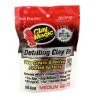
- For most vehicles, we recommend using a fine grade clay bar
- A medium grade clay bar will almost always leave behind some marring that needs to be polished to remove
- Optimum No Rinse mixed with water is a common clay bar lubricant amongst professionals
- You can often tell if there is contamination still on the surface by listening closely as your clay
- Avoid using a clay bar in direct sunlight so that your clay lube does not dry up quickly
- Cutting your clay bar into small pieces helps preserve your clay in the event you drop a piece
- Always try to reshape your clay to expose a fresh, clean piece of clay
- When storing your clay bar, mist some of your clay lube in the bag or container to keep is soft and flexible
- It's good practice to re-wash your vehicle after using a clay bar to remove any loosened contamination and to remove excess clay bar residue
- Clay not only works well on your paint, but also your glass, wheels, plastics and other surfaces
Related Articles (Return to Top)
Here are a few articles related to Clay Bars from our Ask-a-Pro Detailer Blog:
- How to Properly Use a Clay Bar
- Why Claying is Vital
- Stoner's Tarminator Not Just For Removing Tar
- Tutorial: How to Prep a Car For Polishing
- Video: Fiat Show Car Saved From Paint Overspray
- Auto Detailing Maintenance Schedules
- Ask DI: Should I Use a Traditional Clay Bar or a Clay Alternative?
- When to "Clay" Your Car
- NanoSkin AutoScrub Foam Pad
- Product Review: NanoSkin AutoScrub Sponges
- Product Review: Nanoskin Autoscrub Foam Pads
Related Videos (Return to Top)
Ask-a-Pro Blog author James Melfi goes through his process of decontaminating and claying your paint.
What's Next? (Return to Top)
After your paint has been clayed it is good practice to give the car a re-wash before proceeding to the next step, which is polishing your paint. Re-washing your vehicle can ensure that any loosened contamination is removed and that all of the clay bar lubricant is removed. The wash should go much quicker since there should be nearly no contamination on the vehicle and you should be able to sheet dry very effectively since your paint will be ultra smooth. After the re-wash, then you want to polish your paint.