

What is That? Common Contaminants & How to Remove Them
by Reece @ DI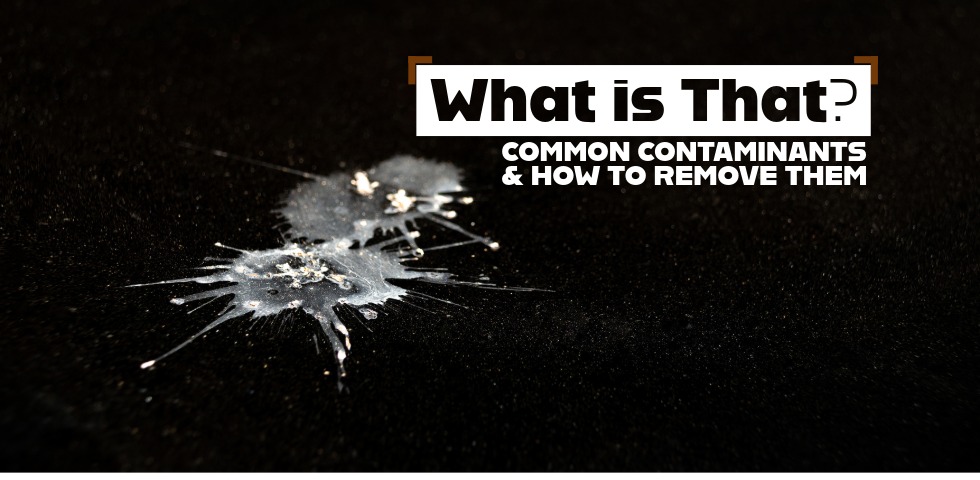
No matter how carefully you maintain your vehicle, the paint and exterior surfaces are constantly under attack from various environmental contaminants. Some are easy to wash away, while others require specific tools or chemicals to aid in their safe removal. If left untreated, these contaminants can dull your paint, cause staining, or even lead to imperfections and damage that require more aggressive steps to fix. Below we will walk through the most common types of surface contamination your vehicle encounters and how to deal with each one of these properly.
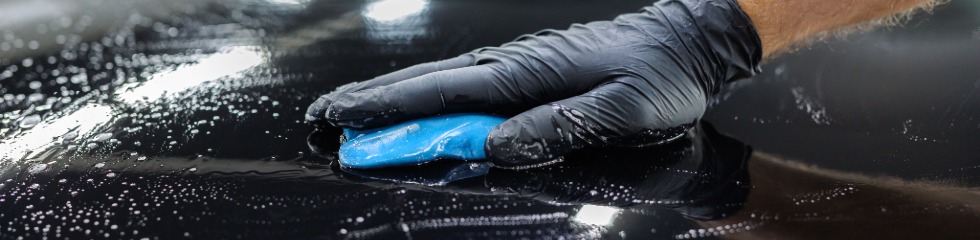
Embedded Contamination
Over time, tiny particles such as metal shavings, road debris, and industrial pollutants can embed themselves into the paint. Even after washing, these particles remain stuck, giving the surface a rough texture.
How to remove: A clay bar or synthetic clay mitt/pad is the go to solution here. Paired with a proper clay lube, using a clay bar will lift out bonded contaminants, restoring a smooth finish and preparing the surface for your next detailing steps (i.e. polishing or protection).
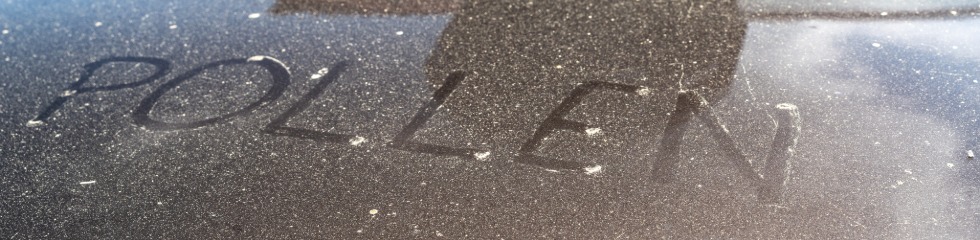
Pollen
During the spring pollen will not only look unsightly, but it is also acidic which causes it to etch into the paint, leading to discoloration and corrosion over time. Pollen is also very sticky so while dirt could be blown off the surface, pollen will often cling, making removal harder than some other types of contamination.
How to remove: A gentle rinse with a pressure washer or foam cannon helps lift most loose pollen from the surface. For stubborn sections, a gentle shampoo and quality wash mitt is all that is needed to safely remove this stubborn contamination from the surface. We also generally recommend a full wash instead of cleaning wipe downs with a quick detailer as the stubbornness of pollen requires more cleaning power for safe removal.
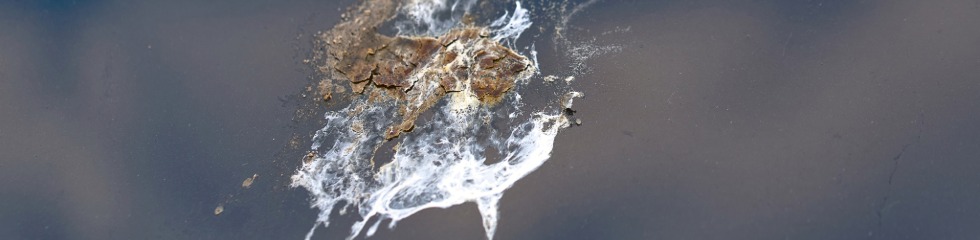
Bird Droppings
Bird poop is highly acidic and can etch into clear coat if left too long. Simply put, remove bird droppings as quick as you can as the longer they sit, the greater the chance of imperfections that require polishing to remove.
How to remove: Use a quick detailer sprayed onto a clean microfiber towel, applying gentle pressure. For dried droppings, place a soaked microfiber towel on top to soften it before wiping away, or tackle a more thorough removal during your wash process.
If you find yourself with imperfections left behind, jump to the polishing process after the entire vehicle is thoroughly cleaned.
Insect Residue
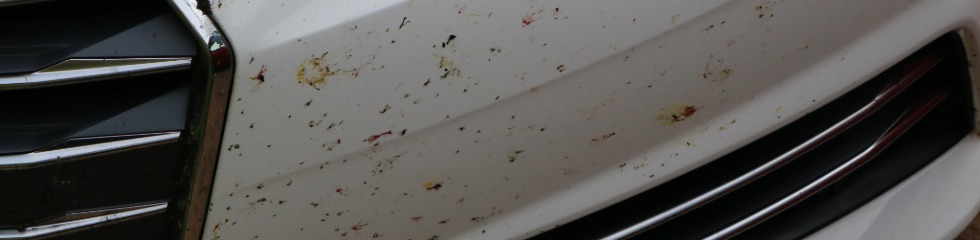
Bug splatter is another acidic contaminant that can bake onto paint under the sun, causing imperfections the longer they sit. Just like bird droppings, remove quickly to avoid any further issues that require polishing.
How to remove: Quick detailers are great for fresh splatters, but if the guts have been sitting longer a specialized bug remover will help break down insect proteins. Apply the product, let it dwell briefly, and gently wipe away with a microfiber towel or your wash mitt if you are targeting these areas during your wash process.
If you find yourself with etchings, the polishing process is your next step.

Road Grime (Tar & Asphalt)
Sticky tar spots and asphalt specks cling tightly to your paint, wheels, trim, glass, etc. Generally instant detailers and shampoos will not carry enough cleaning power, especially if your road grime has been sitting for a few days.
How to remove: A tar remover, degreaser, or dedicated solvent based cleaner is needed. Spray it directly onto the affected areas, let it work for a few minutes, then wipe away with a microfiber towel. Follow up with a wash to remove any chemical residue. For these heavy cleaners, make sure to never let them dry onto the surface and never apply in direct sunlight.
Pro Tip: Soak a small section of your microfiber towel (or small microfiber towel) and lay on top of the tar. This allows the cleaner to stay on the surface longer, without drying up, loosening up the tar spot for much easier removal.
Industrial Fallout & Brake Dust
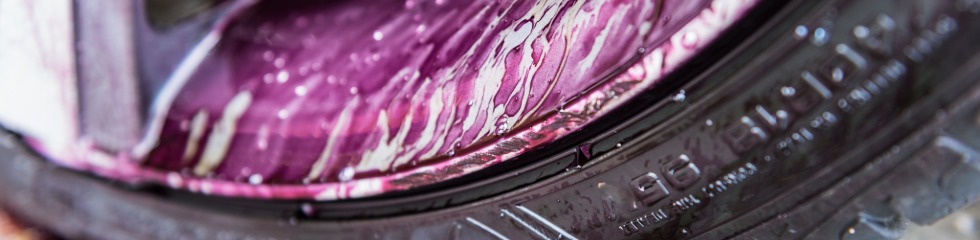
Tiny iron particles from railways, factories, or brakes can bond to paint and wheels, causing orange-colored (rust looking) specks and etchings into your various exterior surfaces.
How to remove: Use an iron remover that targets and reacts with the embedded particles, dissolving them into a rinseable form. Most of these products will show off a purple “bleeding” effect as the product works. Sometimes these particles can hold onto the surface, so a few applications and/or a longer dwell time might be needed for thorough removal.
Minerals (from Water Spots)
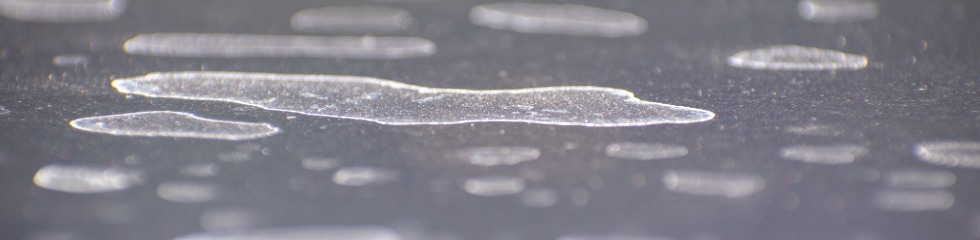
Hard water contains a higher level of mineral content and as standing water evaporates from the surface, mineral deposits will be left behind. These minerals not only look ugly, but they can etch into the surface the longer they sit or bake into the sun.
How to remove: Light spots may come off with a water spot remover. This is the least aggressive option and highly recommended as your starting point.
If you use a water spot remover and still have etchings, it does not mean that the water spot remover did not work. What it does mean is that your water spots, or mineral etchings, have etched deeper into your clear coat and a more aggressive option is needed for removal.
Just like bird or bug etchings, a polishing process will be needed for removal.
General Dirt, Grime, and Dust
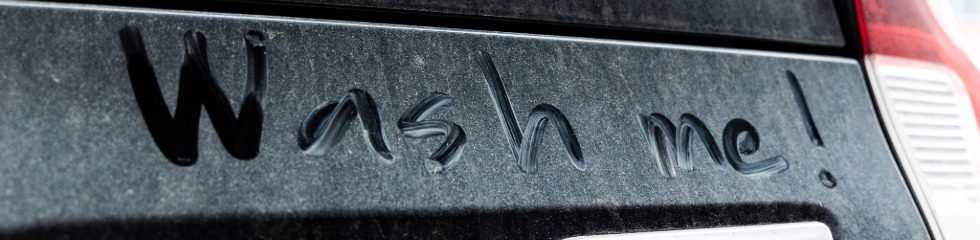
Daily driving leads to a buildup of dust, soil, and general road film on your car. But like all of the other ones listed, these contaminants are most common and the easiest to remove by far.
How to remove: A proper two bucket hand wash with a quality shampoo ensures safe, imperfection free cleaning. Regular maintenance washes prevent buildup and reduce the need for more aggressive decontamination later.
Final Thoughts
Every type of contamination your vehicle faces requires a slightly different approach, and using the right method ensures you are cleaning safely, without adding any unwanted imperfections into the surface. A combination of regular washing, decontamination steps like claying and iron removal, and protective measures such as sealants and coatings will keep your vehicle looking fresh while defending against long term damage. With the right care, your paint will stay smooth, glossy, and contaminant free!





No comments yet. Be the first!